Alentejo Hideaway
By Marta Lott
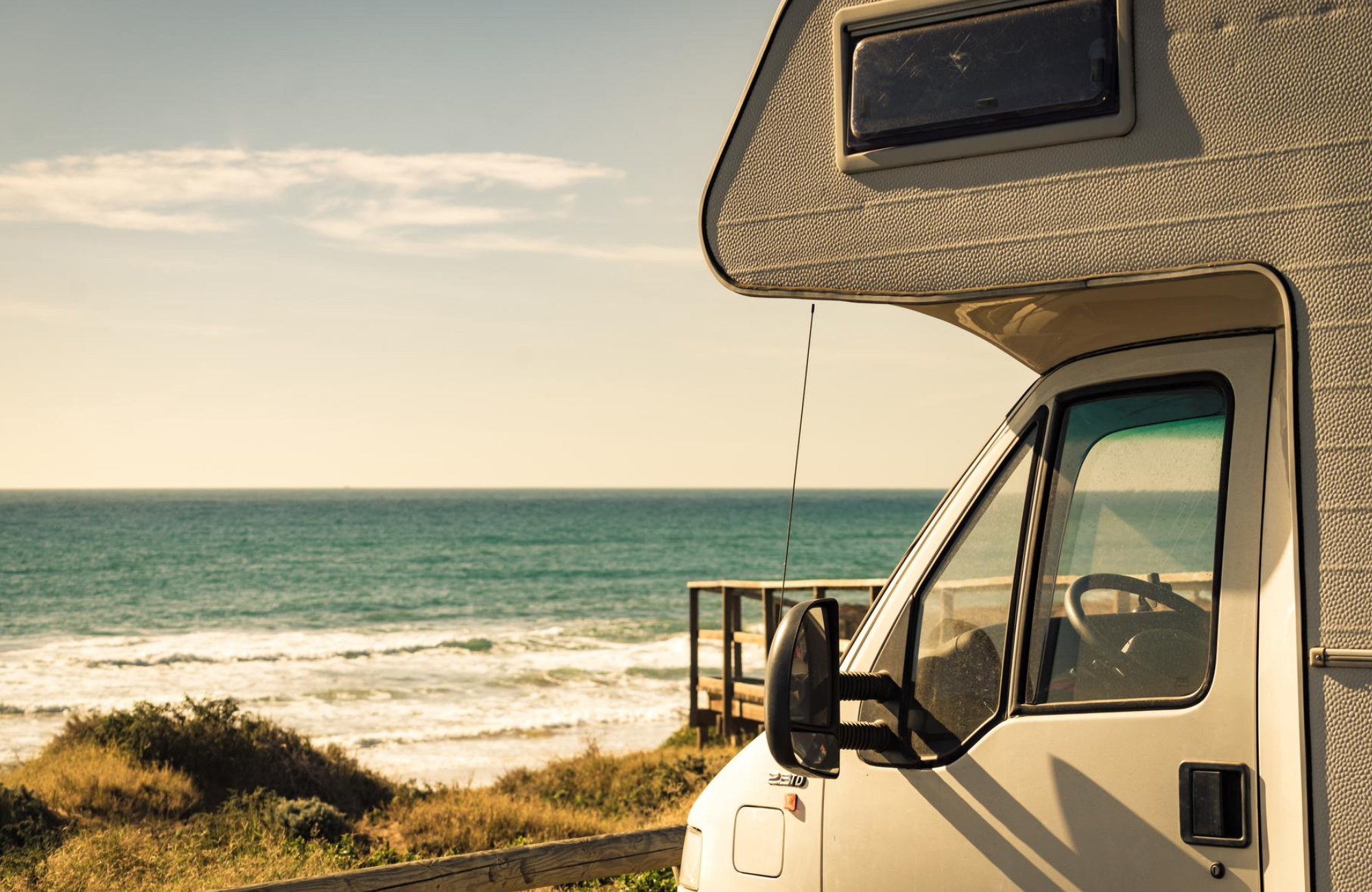
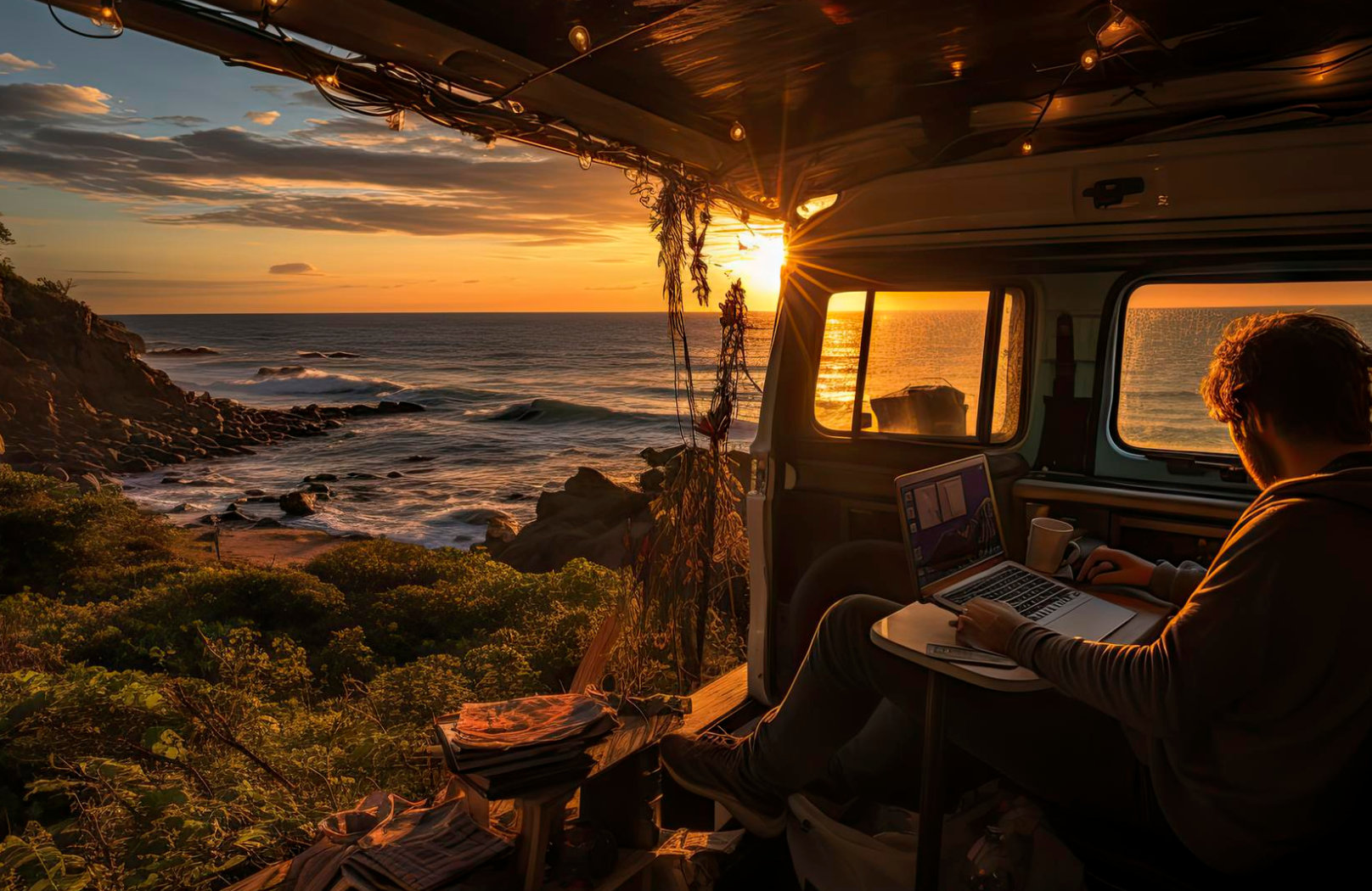
We set out from Lisbon in early June, the highway fading behind us as the landscape opened up into the wide, honey‑colored plains of Alentejo. Our Sprinter‑van, fitted with a solar roof and a compact kitchenette, felt like a tiny, self‑sufficient home ready to dissolve into the region’s quiet rhythm. After crossing the historic town of Évora, we turned onto a gravel road that wound between rows of ancient olive trees. The scent of crushed pomace and wild thyme drifted on the breeze, and a single rust‑red sign pointed to “Pico da Cama.”
We arrived at a modest “parque de autocaravanas” perched on a gentle hill overlooking the Alqueva reservoir. The spot was sparsely populated—only a few travelers and a local farmer who greeted us with a warm “Bom dia.” After securing the van, we unfolded the small table and set a cast‑iron pan on the portable gas burner. From a market stall we’d passed earlier we’d bought fresh figs, a slab of Manchego‑style cheese, and a bunch of rosemary. The figs caramelized in butter, the rosemary released its piney aroma, and we paired the simple fare with a bottle of Alentejo’s robust red, its deep garnet hue reflecting the setting sun.
As twilight deepened, the farmer invited us to his modest stone house where his family served a rustic stew of pork, chickpeas, and locally harvested corn. Over the clink of glasses, stories of harvest cycles and old folk legends floated through the courtyard, while fireflies danced above the olive groves. When we finally returned to the van, the night sky was a luminous canvas—no city lights, only a milky stretch of constellations. The Milky Way cut a bright river across the heavens, mirrored faintly in the still waters of the reservoir.
Inside the van, we tucked into our narrow bunk, the soft hum of the solar inverter the only sound. The temperature dropped, and we wrapped ourselves in a wool blanket, listening to the distant croak of frogs and the occasional hoot of an owl. The stillness was profound—a reminder that here, time slows to the pace of the land itself.
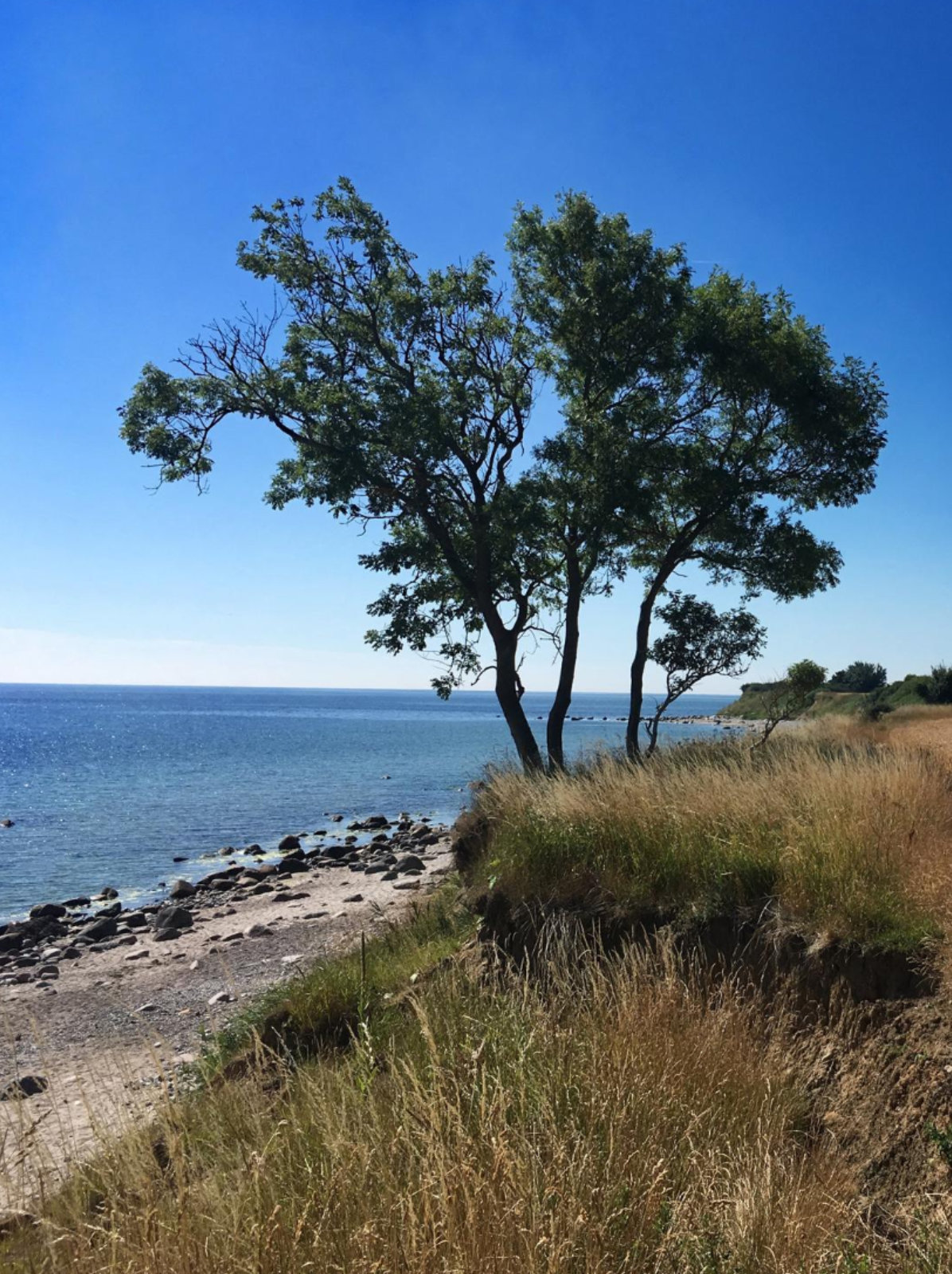
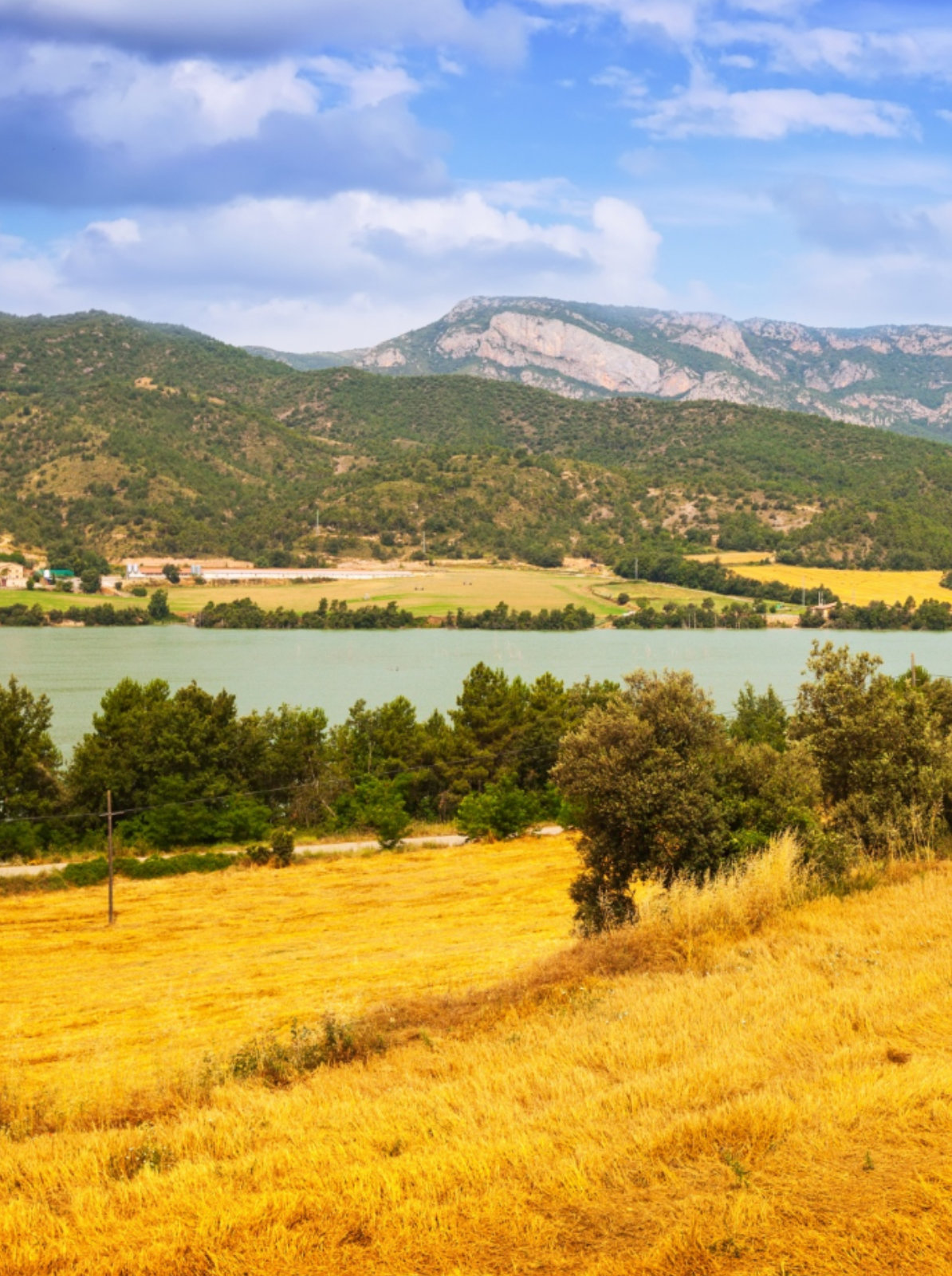
Morning arrived with a low mist rolling off the fields, turning the olive trees into ghostly silhouettes. We packed a small basket of freshly baked “pão alentejano,” sliced melon, and a jar of local honey, then headed toward the historic village of Monsaraz. Along the way, we stopped at a tiny riverside camping spot beside the Guadiana. The water glimmered like liquid sapphire, and we spent a few hours paddling in a hand‑crafted wooden kayak we’d rented from a friendly local.
Alentejo’s hideaway offered us more than a scenic backdrop—it gave us a chance to live at the pace of the earth, to share meals with strangers who became friends, and to fall asleep under a sky so full of stars it seemed the universe itself was watching over our wandering home. When we finally turned the van back toward Lisbon, the road felt less like a return and more like a promise to return, to chase the next quiet horizon.